
Application scope of rotary joints
Application scope of rotary joints, Application scope of rotary joint, Application scope of rotary union, Application scope of rotary unions, Application scope of swivel joints, Application scope of swivel joint, Application scope of swivel union, Application scope of swivel unions
rotary joints applications
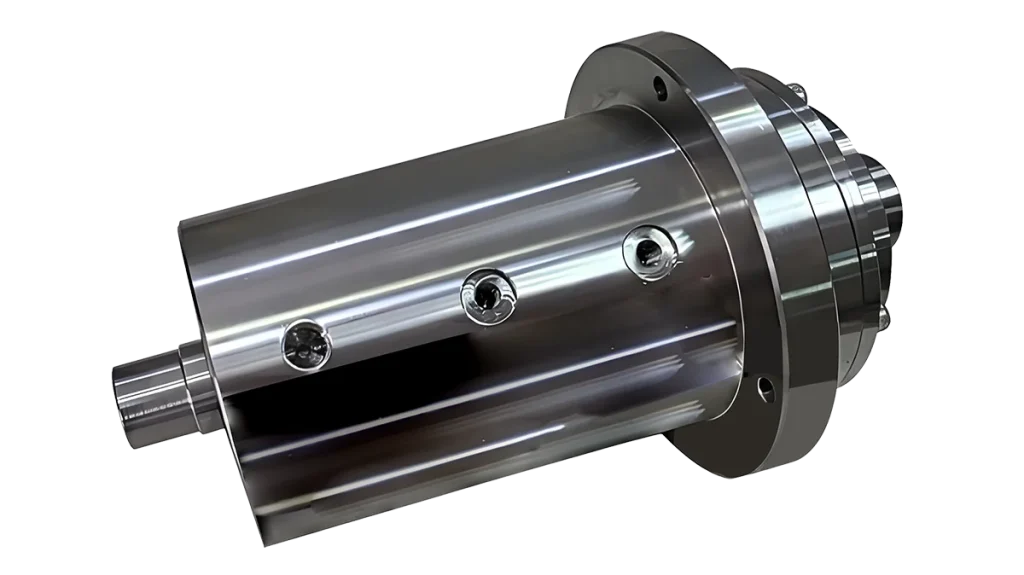
Rotary joints make it possible to transfer fluids, gases, steam, oil, coolant, or other media between a stationary supply line and a rotating machine part. In practical terms, they help equipment keep moving while still receiving the pressure, flow, lubrication, cooling, or heating it needs. Understanding common rotary joints applications can make it easier to select the right design, reduce downtime, and protect surrounding equipment.
Where are rotary joints used?
Rotary joints are used anywhere a machine needs a continuous connection between fixed piping and a rotating shaft, drum, spindle, roll, or table. They are especially common in manufacturing environments where motion and media transfer must happen at the same time. Without a rotary joint, hoses could twist, piping could fail, and production equipment would be harder to control safely.
The exact design depends on the medium, speed, pressure, temperature, and mounting arrangement. A joint used for water cooling in a machine tool may look very different from one handling steam in a paper mill or hydraulic oil in mobile equipment. The shared goal is always the same: reliable transfer while rotation continues.
Manufacturing and process equipment
One of the broadest categories for rotary joint use is general manufacturing. Rotating drums, rollers, indexing tables, and process lines often require a controlled supply of air, water, oil, or other fluids. Rotary joints allow that transfer without interrupting movement, which helps equipment run smoothly through repeated cycles.
Common examples include:
Rotating drums that need heating, cooling, or washing media.
Rollers and calendering equipment that require temperature control.
Indexing tables that use compressed air or hydraulic power during rotation.
Automated assembly systems where tools or fixtures must rotate while staying connected.
Packaging machinery that relies on air, vacuum, or lubrication during high-speed motion.
In these settings, the joint is often a small component with a large impact. If it leaks, binds, or wears prematurely, the result can be messy, costly, and disruptive. Choosing the right seal material, flow path, and bearing support helps extend service life and keeps the production line more predictable.
Machine tools and metalworking systems
Machine tools often use rotary joints to deliver coolant, cutting fluid, air, or hydraulic pressure to rotating spindles and workholding systems. In CNC machining, for example, coolant may need to pass through the spindle and directly to the cutting edge. This helps manage heat, remove chips, improve surface finish, and support longer tool life.
Rotary joints also support clamping and actuation in turning centers, grinding machines, and transfer lines. When a chuck, fixture, or spindle rotates, hydraulic or pneumatic pressure may still be needed to hold the workpiece securely. A properly specified rotary joint helps maintain that connection without placing stress on hoses or fittings.
Key selection factors in metalworking include speed, pressure, media compatibility, and contamination control. Coolant can carry fine chips or abrasive particles, while compressed air systems may require clean, dry flow. Matching the joint to the real working environment is usually more important than choosing one based on size alone.
Why do rotary joints matter in heating and cooling processes?
Rotary joints matter in heating and cooling because they let thermal media enter and exit rotating equipment without stopping production. Steam, hot oil, water, and coolant are often used to keep rolls, drums, molds, or cylinders at the right temperature. Stable temperature control can improve product consistency, reduce waste, and prevent damage caused by overheating or uneven cooling.
These applications are common in industries such as paper, plastics, textiles, food processing, rubber, and printing. A heated roll may need steam to dry, cure, or shape material, while a cooled roll may remove heat from a web, film, or sheet. The rotary joint becomes part of the thermal control system, not just a mechanical connector.
When selecting a joint for thermal service, consider:
Temperature range: Seals and internal materials must tolerate the media temperature.
Pressure requirements: The design must handle operating and surge pressure safely.
Flow capacity: The passage size should support enough media movement for effective heat transfer.
Drainage or return flow: Steam and condensate systems may need special internal arrangements.
Maintenance access: Equipment that runs continuously benefits from joints that are easy to inspect and service.
A mismatch in any of these areas can lead to leakage, poor temperature control, or shortened component life.
Fluid power and mobile equipment
Hydraulic and pneumatic systems are another important area for rotary joints applications. Equipment such as cranes, excavators, hose reels, lifts, and rotating platforms may need power transmission through a rotating centerline. Rotary joints allow fluid power to reach moving parts without twisting lines around the machine.
In hydraulic service, pressure ratings and seal performance are especially important. Even a small leak can reduce system efficiency, create safety risks, or contaminate the work area. Pneumatic systems may be less messy, but air leaks still waste energy and can reduce actuator performance.
Multi-passage rotary joints are often used when several circuits must pass through the same rotating assembly. For example, one machine may need separate channels for pressure, return, pilot control, and lubrication. In these cases, compact design and clear port identification can make installation and troubleshooting much easier.
Food, beverage, and pharmaceutical processing
In sanitary or clean processing environments, rotary joints may transfer water, steam, cleaning fluids, air, or product-related media to rotating equipment. Applications can include mixers, dryers, filling systems, cooking vessels, and cleaning-in-place equipment. The joint must support motion while also meeting the practical demands of hygiene, cleanability, and material compatibility.
For these uses, design details matter. Smooth internal surfaces, compatible metals, appropriate elastomers, and easy disassembly can all influence how well the joint fits the process. Operators should also consider whether the joint will contact product directly or only handle utility media such as hot water or steam.
A careful review of operating conditions helps prevent problems before installation. That review should include the medium, cleaning method, chemical exposure, temperature cycles, and required maintenance schedule.
Printing, paper, plastics, and converting lines
Web-based industries depend heavily on rotating rolls. Paper, film, foil, fabric, and packaging materials move across rollers that may need heating, cooling, air, or vacuum support. Rotary joints help maintain those functions while rolls turn continuously at production speed.
In printing and converting, consistent roll temperature can affect drying, lamination, coating, embossing, and material tension. In plastics processing, rotary joints may support chill rolls, extruders, thermoforming equipment, and molding systems. Because these processes often run for long shifts, durability and leak resistance are essential.
A joint failure in a web process can stop the entire line. It may also damage material already in production. That is why many teams treat rotary joint selection as part of overall line reliability rather than a simple replacement-parts decision.
How to choose the right rotary joint for an application?
Choose the right rotary joint by matching it to the machine’s media, speed, pressure, temperature, rotation pattern, port layout, and maintenance needs. The best option is not always the largest or most expensive model; it is the one designed for the actual service conditions. A clear specification reduces the risk of leakage, overheating, vibration, and premature seal wear.
Use this checklist before selecting or replacing a rotary joint:
Identify the medium, including additives, contaminants, or chemicals.
Confirm maximum and normal operating pressure.
Define the full temperature range during startup, operation, and cleaning.
Check rotational speed and whether rotation is continuous or intermittent.
Note shaft size, thread type, mounting orientation, and available space.
Determine whether one passage or multiple passages are required.
Review expected maintenance access and downtime limits.
Consider whether leakage detection or drain ports are needed.
If the application involves high temperature, high speed, aggressive chemicals, or food-grade requirements, it is worth reviewing the details with a qualified supplier or engineering team. Small specification differences can significantly affect performance.
Practical maintenance habits improve reliability
Even a well-selected rotary joint needs basic care. Regular inspection helps identify early signs of seal wear, bearing noise, vibration, misalignment, or external leakage. Operators should avoid using connected piping as structural support, because side loads can shorten the life of the joint.
Good installation is equally important. The joint should be aligned correctly, connected with suitable flexible hose where needed, and operated within its rated limits. Maintenance teams should also keep records of service intervals and failure patterns, especially on critical equipment.
Rotary joints are often overlooked until something goes wrong, but they play a vital role in keeping rotating systems supplied, cooled, heated, lubricated, or powered. By understanding the main rotary joints applications and the conditions behind each one, teams can make better choices, reduce avoidable downtime, and support safer, more efficient operation.
As a key component connecting fixed and rotating parts, rotary joints have penetrated into various fields of industrial production, from traditional manufacturing to high-end equipment industry, all of which rely on their stable support. In different industries, the functions and requirements of rotary joints exhibit distinct differentiation features.
In the field of construction machinery, equipment such as rotary drilling rigs and excavators need to transmit hydraulic oil and control signals during high-intensity operations. The multi-channel design of the central rotary joint can simultaneously transmit 6 hydraulic oil, 2 cooling water, and 4 electrical signals, increasing the continuous operation time of the equipment by 3 times and reducing the failure rate by 80%. In the steel industry, the rotary joints used in continuous casting machines need to withstand a high temperature of 200 ℃, and their optimized sealing structure can ensure stable transmission of high-temperature steam and reduce equipment shutdown losses.
Semiconductor equipment requires extremely high precision for rotary joints. The rotary joint in lithography equipment needs to transmit ultra pure gas and high-precision control signals in an ultra clean environment to ensure the accuracy of wafer processing, which also promotes the upgrade of rotary joints towards high precision and low pollution. In the paper industry, the speed of high-speed rotary joints can reach 3000rpm, and the uniform flow channel design reduces pressure loss and ensures the stability of the paper drying process.
Rotary joints are mainly used in the following industrial sectors:
(1) Processing equipment for various types of paper, such as drying cylinders, steamers, coating machines, and calenders for paper machines.
(2) Fiber products textile, synthetic fiber and printing and dyeing, linen textile industry, such as bed sheet bleaching machines, silk machines, flat washing machines, vacuum dryers, precision pressing equipment, towel ironing machines, adjusters, textile printing and dyeing drying equipment. Processing equipment related to various chemical fiber products.
(3) Rubber and plastics, screw extruders, injection molding machines, mixing mixers, kneading machines, rotary and laminating machines, drum type automatic vulcanizing machines and flat vulcanizing machines for rubber, injection molding machines, mixing machines, foaming machines, thin film manufacturing machines, open mixers, drying machines, paint cloth machines, paint paper machines, etc.
(4) Equipment for the processing and manufacturing of leather, synthetic leather, and synthetic leather: coating machines, raw fabric machines, fine washing machines, hot roller presses, roller drying equipment, etc.
(5) Printing and dyeing rotary offset and gravure printing machines, layered drying equipment, mixers, etc.
(6) Chemical and pharmaceutical cylindrical, conical, and drum shaped dryers, rolling test equipment, ball mills, laminating machines, electrode lifting and pressing devices for calcium carbide furnaces, industrial naphthalene drum crystallizers for coal tar fractionation.
(7) Food and grain, food drying equipment, kneading machine, release device, rolling and crushing equipment, rotary drying equipment. (8) Steelmaking, continuous casting machines for metal and alloy products, hot plate straightening machines, wire drawing, rolling mills, high-precision rolling equipment, extruders, rolling machines, rolling equipment for wires and pipes, loading and unloading machinery, wet mills for manufacturing hard alloys.
(9) Electrical dual water internal cooling generator rotor cooling, wire and cable processing equipment.
(10) Cigarette drying machine, tendon drying machine.
(11) Processing equipment for building materials plastic wallpaper, experimental equipment, printing machines, embossing machines, groove bottom printing machines, and hot pressing machines for wood processing. A board machine for asbestos products. Processing equipment for cork products.
(12) Mechanical manufacturing of hydraulic presses, hydraulic presses, pneumatic and hydraulic related equipment, spiral table mechanisms for cooling, grinding equipment, machine tools, vacuum equipment, boring machines, lubrication and cooling devices for combination machine tools.
(13) Glass industry drum feeder.
(14) A drilling rig used for geological petroleum or other mineral drilling.
In short, all cylindrical, drum shaped, conical, spherical rotating equipment and equipment that use steam, water, oil, gas, air, salt water, ammonia and other gases and liquids for heating, drying and cooling, as well as equipment that moves back and forth or swings (rotates) at any angle, and pneumatic and hydraulic related equipment used for clamping, braking and gripping, can be equipped with rotary joints.