
Discussion on the Differences in Quality of Central Rotary Joints
Discussion on the Differences in Quality of Central Rotary Joints, Discussion on the Differences in Quality of Central Rotary Joint, Discussion on the Differences in Quality of Central Rotary union, Discussion on the Differences in Quality of Central Rotary unions, Discussion on the Differences in Quality of Central swivel union, Discussion on the Differences in Quality of Central swivel unions, Discussion on the Differences in Quality of Central swivel joint
Central rotary joints serve as the critical connection between stationary supply lines and rotating machinery. Whether installed on printing presses, plastic extrusion lines, steel rolling mills, rubber calenders, or paper dryers, central rotary joints must transfer media such as water, steam, thermal oil, hydraulic fluid, or compressed air without leakage under continuous rotation. Because operating conditions vary so widely, the market offers a broad spectrum of quality levels. This discussion on the differences in quality of central rotary joints explains what buyers should look for, why quality varies, and how to make a durable, cost-effective choice.
When engineers select a rotary joint, they often compare prices first. Price is easy to measure, but it rarely reflects the hidden costs of leakage, maintenance, downtime, and shortened machine life. A deeper look at design, materials, manufacturing, and testing reveals why some central rotary joints last for years while others fail within months. The following sections break down those differences clearly.
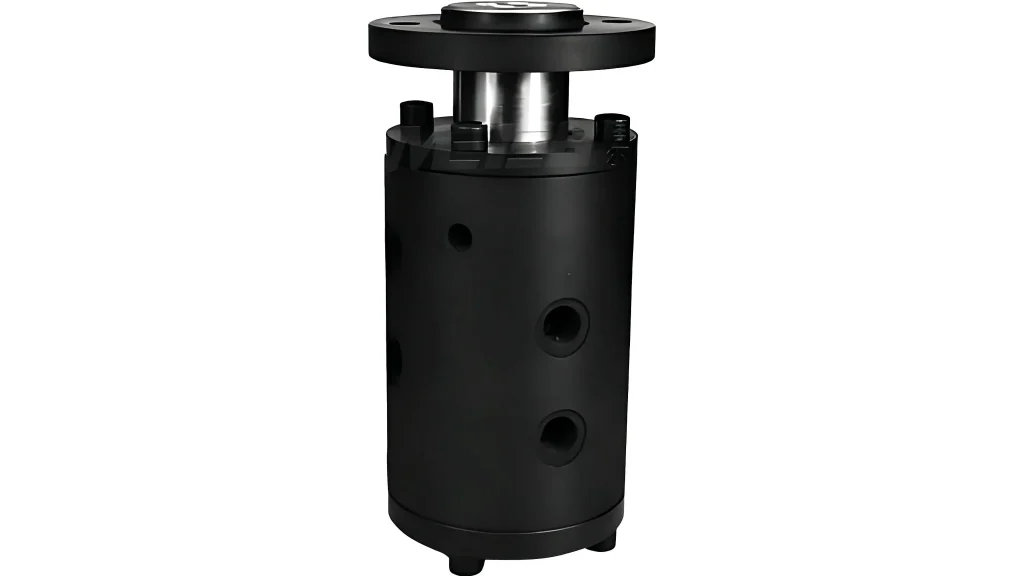
What Are Central Rotary Joints?
Central rotary joints, also called rotary unions or swivel joints, are mechanical devices that allow fluid or gas to flow from a fixed pipe into a rotating drum, roll, spindle, or table. The core challenge is maintaining a reliable seal between a stationary housing and a rotating shaft while the equipment runs at high speed, high temperature, or high pressure. A well-built rotary joint prevents leakage, minimizes friction, and supports long maintenance intervals. Conversely, a poorly manufactured joint can cause downtime, contamination, safety hazards, and premature wear of connected machinery.
Typical applications include heating and cooling rolls, machine tool spindles, indexing tables, winders, unwinders, mixers, and rotary indexing machines. In each case, central rotary joints must balance thermal expansion, centrifugal force, seal deformation, and media compatibility. The quality of design and production therefore has a direct impact on total cost of ownership. A single failed joint can shut down an entire production line, making quality a strategic rather than merely technical consideration.
Key Quality Indicators of Central Rotary Joints
1. Material Selection
The first and most visible difference in quality is the choice of materials. Premium central rotary joints use hardened stainless steel or alloy steel for the rotor, high-grade carbon graphite or silicon carbide for seals, and corrosion-resistant coatings or platings for the housing. These materials resist wear, chemical attack, and thermal shock. Stainless steel rotors, for example, resist rust in cooling-water applications where untreated water would quickly pit carbon steel.
Lower-grade products may use ordinary carbon steel rotors, basic rubber seals, and thin surface coatings. While they look similar on the outside, they degrade faster when exposed to hot water, steam, aggressive coolants, or abrasive particles. Over time, corrosion pits the rotor surface, seals harden and crack, and leakage begins. Material selection is therefore a strong predictor of service life. Buyers should always request material certificates and confirm that the chosen alloy matches the media and temperature range.
2. Manufacturing Precision
Precision machining determines how evenly the seal faces mate and how smoothly the rotor spins inside the housing. High-quality central rotary joints are produced on CNC lathes and grinding machines with tight tolerances, often within a few microns. Concentricity, surface finish, and perpendicularity are carefully controlled to ensure uniform seal loading. A rotor that runs true reduces seal flutter, heat buildup, and localized wear.
In cheaper alternatives, loose tolerances lead to wobble, uneven seal wear, and localized hot spots. The joint may work acceptably when new, but after a few hundred operating hours the seal path becomes scored and leakage increases. Precision also affects vibration and noise, which can propagate into the host machine and reduce product quality. For high-speed applications such as paper machine dryers, runout tolerance can be the deciding factor between reliable operation and chronic seal failure.
3. Sealing Performance
The seal is the heart of any rotary joint. There are several seal architectures, including mechanical seals, packing seals, and multi-spring balanced seals. Each has strengths for specific pressure, speed, and temperature ranges. Quality manufacturers select the seal type based on the application rather than using a one-size-fits-all approach. The wrong seal in the right housing will still fail prematurely.
High-performance central rotary joints use balanced mechanical seals with spring-loaded faces that self-adjust as wear occurs. The seal faces are lapped flat to optical standards, ensuring minimal leakage and long life. Lower-quality joints may rely on simple O-rings or compression packings that require frequent adjustment and replacement. Buyers should ask about seal type, expected seal life, and spare-part availability before making a decision. They should also request test data showing leakage rate under rated conditions.
4. Load and Speed Ratings
Every rotary joint is rated for maximum speed, pressure, temperature, and media flow. Quality ratings are based on actual testing, not theoretical calculations. Reputable products come with documented performance curves and safety margins. Central rotary joints intended for high-speed paper machines, for example, must handle thousands of revolutions per minute without excessive heat generation or dynamic imbalance.
Budget joints sometimes carry optimistic ratings that do not reflect real-world duty cycles. Running near the stated limit can cause rapid seal failure, bearing overheating, and shaft distortion. It is safer to select a joint whose rated limits comfortably exceed the actual operating conditions. A good rule of thumb is to choose a joint rated for at least twenty percent above the expected maximum speed and pressure.
5. Internal Bearing and Support Design
Besides the seal, the internal bearings and support structure determine how well a rotary joint handles radial and axial loads. Quality designs use sealed, lubricated bearings sized for the application. Some high-speed models use angular-contact bearings or custom bushing arrangements to maintain rotor position under thrust. Cheaper designs may use small, open bearings or even rely on the seal itself for radial support, which accelerates wear.
Proper bearing selection also affects how much piping load the joint can tolerate. Excessive weight from rigid piping creates a bending moment that distorts the seal interface. Quality central rotary joints are designed to accept a defined external load without losing seal contact, and the manufacturer will specify support or bracket requirements.
Common Quality Differences in Central Rotary Joints
Standard Designs vs. Custom Designs
Standard catalog models suit many common applications and offer short lead times. However, when space is limited, media is unusual, or motion is complex, custom central rotary joints provide a better solution. Quality custom designs are engineered with finite-element analysis, prototype testing, and validation before full production. Engineers review thermal gradients, pressure deformation, and dynamic behavior before cutting metal.
Low-quality custom work may simply modify a standard housing without reanalyzing seal loads, bearing life, or thermal gradients. The result can be a joint that fits the mounting envelope but fails prematurely. True customization requires design depth, not just dimensional changes. Buyers evaluating custom joints should ask for simulation reports, test protocols, and references from similar applications.
Price vs. Performance
It is tempting to choose the lowest-priced central rotary joints, especially for large projects with tight budgets. Yet initial purchase price is only a small part of lifecycle cost. A joint that leaks requires maintenance labor, lost production, media waste, and sometimes cleanup of contaminated product. Over several years, a higher-quality joint often costs less in total.
That said, the most expensive option is not automatically the best. Buyers should compare specifications, test data, warranty terms, and field references. A quality joint offers a transparent balance of performance, reliability, and support. Requesting a total-cost-of-ownership estimate helps compare options fairly, especially when one product carries a longer seal life or a more comprehensive warranty.
Surface Treatment and Coatings
Beyond base material, surface treatments such as hard chrome plating, nickel plating, nitriding, or ceramic coating significantly affect wear resistance. A rotor with a thin or poorly applied coating will wear through quickly, exposing softer substrate metal. Quality coatings are applied to specified thickness and tested for adhesion and hardness. In steam or hot-oil service, the coating must also withstand thermal cycling without cracking or spalling.
How to Evaluate Central Rotary Joints
Before purchasing, request detailed drawings, material certificates, and performance test reports. Check whether the manufacturer follows recognized quality standards such as ISO 9001. Ask about the seal brand and grade, bearing type, and surface treatment. If possible, request a sample for inspection and bench testing. A responsible supplier will welcome technical questions and provide clear documentation.
During operation, monitor leakage rate, operating temperature, vibration, and running noise. A gradual increase in any of these parameters signals wear or misalignment. Preventive replacement of seals and bearings according to the manufacturer’s schedule will extend the life of these components and protect downstream equipment. Keeping maintenance logs also helps identify whether the joint is correctly sized for the actual duty cycle.
Application-Specific Quality Requirements
Different industries impose different demands. In food and pharmaceutical equipment, central rotary joints must meet sanitary standards and use food-grade materials. In steel and metal processing, joints must tolerate high temperatures and thermal shock. In offshore and marine environments, corrosion resistance becomes paramount. A joint that performs well in one environment may fail quickly in another, so application-specific quality criteria matter as much as general specifications.
Quality suppliers understand these nuances and offer product families tailored to specific industries. They also provide application engineering support to help buyers match the joint to the duty. This consultative approach is often a better indicator of long-term reliability than the product price alone.
Maintenance and Longevity
Even the best central rotary joints need correct installation and routine care. Misalignment between the joint and the machine shaft is a leading cause of early failure. The joint should be supported so that it does not carry excessive piping weight, and flexible hoses should absorb thermal expansion and vibration. Rigid piping should be independently supported close to the joint.
Follow the recommended filter specifications to keep media clean. Particles as small as a few microns can scratch seal faces and cause leakage. Lubricate or replace bearings at the recommended intervals, and keep spare seal kits in stock to minimize downtime. Train operators to recognize early warning signs such as increased leakage, unusual noise, or elevated temperature.
Troubleshooting Common Quality Issues
When central rotary joints begin to leak, the cause is not always seal wear. Start by checking alignment and piping load, because mechanical distortion can open the seal interface. Inspect the media for contamination and verify that operating pressure and temperature remain within rated limits. If the rotor shows scoring, pitting, or discoloration, material incompatibility or inadequate surface treatment may be the root cause.
Excessive temperature at the joint body often points to bearing failure or inadequate lubrication. Vibration may indicate rotor imbalance, bent piping, or worn bearings. Addressing these symptoms early prevents catastrophic failure and protects the connected machine. A quality supplier will provide a troubleshooting guide and support diagnosis with technical staff.
Testing, Certification, and Traceability
Reputable manufacturers test central rotary joints for pressure integrity, speed capability, leakage, and thermal performance. They maintain traceability records for materials and production batches. Certifications such as ISO 9001, pressure equipment directives, and industry-specific approvals demonstrate commitment to consistent quality.
Buyers should not rely solely on catalog claims. Ask for test reports from the specific model and, for large orders, consider witnessing factory acceptance tests. Traceability becomes especially important in regulated industries where a failed component must be traced back to its material source and production batch.
Warranty, Spare Parts, and After-Sales Support
Quality assurance does not end at shipment. Reliable suppliers back their rotary unions with clear warranties, readily available spare seals and bearings, and technical support. A long warranty period signals confidence in the design and manufacturing process, but only if the terms are realistic and the supplier honors claims promptly.
Spare-part availability matters because even premium units eventually need seal replacement. If proprietary seals are difficult to source, maintenance teams may resort to inferior substitutes that compromise performance. Buyers should confirm lead times for common wear parts and ask whether the supplier provides repair kits, installation tools, and technical bulletins. After-sales support becomes especially valuable during commissioning, when alignment and piping issues are most likely to surface.
Environmental and Sustainability Considerations
Modern factories increasingly evaluate components by their environmental footprint. High-quality swivel joints reduce media leakage, which conserves water, thermal oil, and compressed air while preventing floor contamination. Efficient seal designs also lower friction, reducing the energy required to drive rotating equipment.
Material selection affects recyclability and regulatory compliance. Leaded alloys and certain coatings are restricted in many regions, so quality suppliers use environmentally acceptable alternatives. Buyers in sensitive industries should request material safety data sheets and conflict-mineral statements. Sustainable design does not mean lower performance; in fact, the tightest-sealing, longest-lasting joints are often the most environmentally friendly.
Procurement Checklist for Buyers
To cut through marketing claims, buyers can use a simple checklist. First, define the operating conditions: media type, maximum pressure, maximum temperature, rotational speed, and required flow rate. Second, confirm material compatibility and surface treatment for the media. Third, request dimensional drawings, test reports, and quality certifications. Fourth, evaluate seal type, bearing design, and expected seal life. Fifth, check warranty terms, spare-part availability, and technical support. Finally, compare total lifecycle cost rather than purchase price alone.
Following this checklist reduces the risk of selecting a rotary union that looks suitable on paper but fails in service. It also creates a documented basis for comparing multiple offers objectively. Procurement teams that treat the joint as a critical component rather than a commodity consistently achieve better reliability.
Future Trends in Rotary Joint Technology
The industry continues to evolve toward higher speeds, higher pressures, and smarter monitoring. New seal materials, such as advanced ceramics and engineered polymers, extend temperature and chemical limits. Improved bearing designs and lubrication systems allow faster rotation with less maintenance. Some manufacturers now integrate sensors that monitor temperature, vibration, and leakage, enabling predictive maintenance.
Digital design tools also improve product development. Computational fluid dynamics and finite-element analysis help engineers optimize flow passages and thermal behavior before building prototypes. These advances benefit end users by producing more reliable, longer-lasting components. Buyers who understand these trends can specify forward-compatible equipment that will not become obsolete quickly.
Commissioning and First-Run Checks
Proper commissioning is where many quality advantages are either realized or lost. Even a premium rotary union will fail if installed crooked or connected to rigid, unsupported piping. During first run, verify that the rotating element turns freely by hand before applying pressure. Gradually introduce media and pressure while watching for leaks at the seal interface and threaded connections.
Measure baseline values for temperature, vibration, and leak-free operation. These benchmarks make future troubleshooting much easier. Train operators to perform daily visual inspections and to report any drip, spray, or unusual sound immediately. Small leaks rarely fix themselves; they tend to worsen and damage surrounding components. A disciplined commissioning process protects the investment in a quality joint.
Quality vs. Budget: A Practical Comparison
Consider two hypothetical rotary unions for the same cooling-roll application. The budget unit costs half the price but uses a carbon steel rotor, basic packing seal, and small bearings. It leaks after six months, requiring two hours of maintenance, lost production, and a seal kit. The premium unit costs twice as much but uses stainless steel, a balanced mechanical seal, and robust bearings. It runs two years before the first seal change.
Over a five-year period, the premium unit typically requires fewer seal changes, less downtime, and no replacement of the rotor body. When maintenance labor, lost output, and media waste are included, the total cost often favors the higher-quality choice. This simple example illustrates why experienced maintenance engineers prefer to invest upfront rather than chase the lowest purchase price. Reliability translates directly into production capacity.
Documentation and Traceability for Regulated Industries
In aerospace, medical, food, and pharmaceutical sectors, documentation is as important as the component itself. Buyers need certificates of conformance, material test reports, pressure test records, and batch traceability. These documents prove that the rotary union meets specifications and can be traced back to its raw materials and production records.
Quality suppliers maintain organized quality-management systems and can produce the required paperwork quickly. They also keep records of design revisions and process changes. This traceability is essential during audits, incident investigations, and recalls. Buyers in regulated fields should treat documentation capability as a key selection criterion, not an afterthought.
Building a Spare-Parts Strategy
No rotary device lasts forever, so a thoughtful spare-parts strategy reduces risk. Keep at least one seal kit and one bearing set on site for each critical size. Label the kits clearly with installation dates and recommended replacement intervals. For large plants, maintain a centralized inventory database that links part numbers to machine locations and duty cycles.
Ordering spare parts only after failure extends downtime and may lead to rushed purchases of incompatible items. A proactive approach turns maintenance from a reactive cost into a scheduled activity. When the spare-parts plan aligns with the supplier’s recommended intervals, the overall reliability of the rotating system improves measurably.
Training maintenance staff on correct installation procedures also reduces avoidable damage. Even correct parts fail early if seals are twisted, bearings are forced into place, or torque specifications are ignored. Investing in technician training pays back through fewer emergency repairs and longer service intervals.
Frequently Asked Questions
How long do central rotary joints typically last?
With correct selection, installation, and maintenance, quality central rotary joints can operate for several years. Seal life depends on speed, pressure, temperature, media cleanliness, and duty cycle. Many industrial users plan seal replacement annually or semi-annually as preventive maintenance.
What causes central rotary joints to leak?
Common causes include worn or scratched seal faces, misalignment, excessive piping load, contaminated media, operating beyond rated limits, and use of incompatible materials. Diagnosing the true cause prevents repeat failures after seal replacement.
Can one rotary joint handle multiple media?
Multi-passage central rotary joints can transfer several media simultaneously through separate channels. Quality multi-passage designs require careful seal routing to prevent cross-contamination and ensure each passage meets its pressure and temperature rating.
Are balanced seals better than packing seals?
Balanced mechanical seals generally offer longer life and lower leakage than packing seals, especially at higher speeds and pressures. Packing seals may be acceptable for low-speed, low-pressure, or abrasive duties where mechanical seal faces would wear too quickly.
How do I verify the quality of a rotary joint before buying?
Request material certificates, dimensional reports, performance test data, and references from similar applications. Inspect sample units for machining quality and seal face finish. Confirm that the supplier offers spare parts and technical support.
Conclusion
This discussion on the differences in quality of central rotary joints shows that material choice, machining precision, seal design, bearing quality, and honest performance ratings separate reliable products from short-lived ones. Rather than focusing only on price, buyers should evaluate total lifecycle value. When central rotary joints are selected and maintained correctly, they keep rotating equipment productive, safe, and efficient for years. Investing time upfront to understand quality differences pays dividends through longer service life, fewer emergencies, and lower total operating cost.