
SMC rotary joints
SMC rotary joints, SMC rotary joint, SMC rotary union, SMC rotary unions, SMC swivel union, SMC swivel unions, SMC swivel joint, SMC swivel joints
SMC rotary joints are precision mechanical components that provide a reliable passage for fluids and gases between stationary supply lines and rotating machinery. Designed for industrial automation, pneumatic systems, and process equipment, SMC rotary joints help maintain consistent media delivery while equipment rotates continuously or intermittently. Their compact construction, standardized mounting interfaces, and broad model range make them suitable for a wide variety of factory automation tasks.
This detailed introduction explains how these components work, what types are available, how to select the right model, and how to maintain them for long service life. Whether you are designing a new machine, replacing a worn joint, or optimizing an existing pneumatic or hydraulic circuit, understanding these components will help you make better engineering decisions.
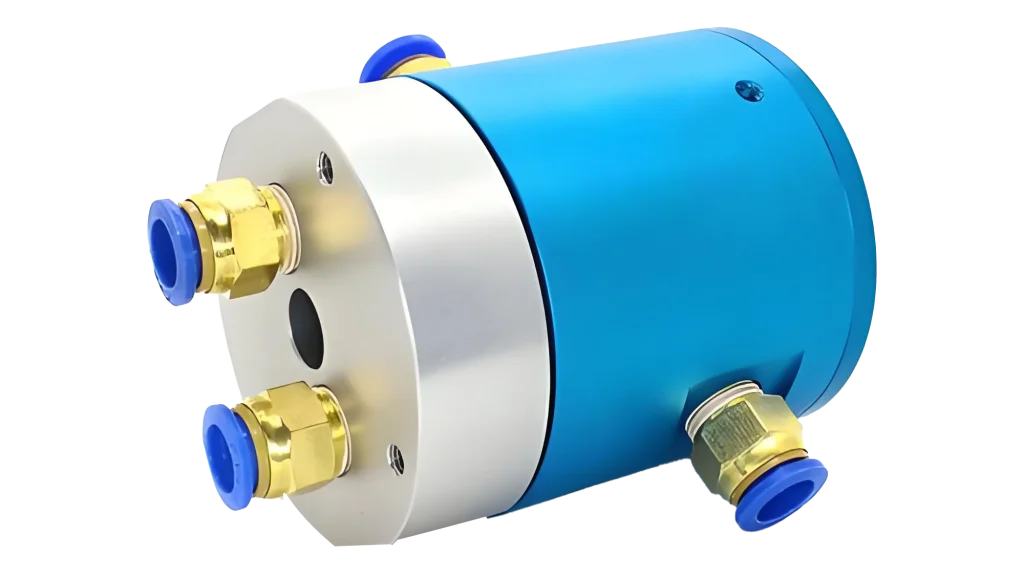
What Are SMC Rotary Joints?
SMC rotary joints, often grouped with rotary unions or swivel joints, allow pressurized air, coolant, hydraulic fluid, or other media to flow into rotating parts without leaking at the interface. The stationary side connects to hoses or pipes, while the rotating side mounts directly onto a shaft, table, drum, or actuator. A sealed bearing or seal assembly maintains the pressure boundary while permitting smooth rotation.
The core challenge for any rotary joint is balancing low leakage, low friction, and long wear life. SMC rotary joints address this challenge with carefully matched seal materials, corrosion-resistant metals, and compact housing designs. Depending on the series, they may support single-passage or multi-passage flow, high-speed rotation, or multi-revolution indexing motion.
Key Features of SMC Rotary Joints
Compact and Lightweight Design
One of the most recognizable features of these units is their compact footprint. In automated machinery, space around rotating axes is often limited. The short axial length and small diameter of many models make them easier to integrate into indexing tables, robot wrists, packaging machines, and printing equipment. Reduced size also lowers inertia, which is valuable in high-speed or start-stop applications.
Standardized Mounting Interfaces
These components commonly use standard thread sizes and port configurations. This standardization simplifies plumbing and reduces the need for custom adapters. Engineers can select from common port sizes such as M5, Rc 1/8, Rc 1/4, and others depending on flow requirements. Consistent mounting patterns also make replacement straightforward when a machine reaches its maintenance interval.
Seal Material Options
Seal compatibility is critical to rotary joint performance. These devices are available with seal materials suited to different media and temperatures. Nitrile rubber provides good oil resistance and low cost. Fluorocarbon seals handle higher temperatures and aggressive fluids. Polyurethane and other specialty compounds address specific chemical or wear requirements. Choosing the correct seal compound prevents premature hardening, swelling, or leakage.
Low Torque and Smooth Rotation
Low breakaway and running torque are important in precision automation. Excessive rotational drag can cause positioning errors, motor oversizing, and uneven wear. They are engineered to maintain consistent torque across the operating range, helping servo motors and pneumatic actuators perform accurately.
Multi-Passage Configurations
Many automation systems need to supply several media types to a single rotating axis. Multi-passage designs provide two, four, six, or more independent channels. Each channel carries its own medium while preventing cross-contamination. This is especially useful in applications that combine vacuum, positive pressure, and electrical signals on the same axis.
Types of SMC Rotary Joints
Single-Passage Rotary Joints
Single-passage units transfer one medium through a single central bore. They are the simplest form and are widely used for cooling air, vacuum lines, or single pneumatic circuits. Their simple construction usually means fewer wear parts and easier maintenance. These joints are ideal when only one supply line must pass into a rotating component.
Multi-Passage Rotary Joints
Multi-passage units contain separate internal passages arranged concentrically or in parallel. Each passage can route a different pressure or fluid to independent functions on the rotating side. Common uses include rotary tables with multiple clamping circuits, robot end-effectors with several pneumatic functions, and packaging turrets that need both air and vacuum.
High-Speed Rotary Joints
High-speed variants are built for continuous rotation at elevated speeds. They use balanced seal geometries, precision bearings, and lightweight rotors to minimize heat generation and dynamic imbalance. Typical applications include spindles, winders, and continuous rotary indexing systems. Exceeding the rated speed can cause seal overheating and rapid wear.
High-Pressure Rotary Joints
High-pressure versions maintain sealing integrity when the supply pressure is well above typical shop-air levels. Reinforced housings, robust seal glands, and secure retaining systems prevent blowout or leakage under pressure spikes. These models are common in clamping, pressing, and hydro-pneumatic circuits.
Applications of SMC Rotary Joints
SMC rotary joints appear across many industries because pneumatic and fluid power systems are so widely used. Common application areas include the following:
- Packaging machinery: Supplying air to rotary turrets, indexing tables, and sealing heads as they turn.
- Printing and labeling: Maintaining vacuum or pressure to rollers and drums during continuous rotation.
- Machine tools: Delivering coolant through rotating spindles or indexing fixtures.
- Automotive assembly: Feeding pneumatic lines into rotating fixtures, welding guns, and handling devices.
- Semiconductor and electronics: Providing clean air and vacuum to precision rotary stages.
- Food and pharmaceutical equipment: Using compatible seal materials in washdown and sanitary environments.
In each application, the goal is the same: maintain a leak-free connection between the stationary supply and the moving part. The correct model selection ensures smooth operation and reduces unplanned downtime.
How to Select SMC Rotary Joints
Define the Operating Conditions
Begin by documenting the media type, pressure range, temperature range, rotational speed, and required flow rate. These parameters determine the seal material, housing strength, bearing type, and passage size. Overlooking any one of these factors can lead to early failure. For example, a joint rated for room-temperature air may fail quickly if exposed to hot hydraulic oil.
Determine the Number of Passages
Count how many independent media lines must pass through the rotating interface. Single-passage designs are simpler and less expensive, but they cannot handle multiple circuits. Multi-passage models add complexity and cost but eliminate the need for multiple separate joints.
Check Rotational Speed and Life Expectations
Estimate the actual operating speed and duty cycle. A joint that rotates only during short indexing moves experiences different wear than one in continuous rotation. High-speed continuous duty requires bearings and seals rated for sustained operation. Always apply a safety margin above the maximum expected speed.
Verify Mounting Space and Port Orientation
Confirm that the selected units fit within the available envelope and that ports are accessible for hose routing. Some models offer side, axial, or radial port arrangements. Choose the orientation that minimizes hose bending and avoids interference with surrounding machine elements.
Consider Environmental Exposure
Exposure to dust, moisture, coolants, chemicals, or washdown sprays affects material choice. Stainless steel or corrosion-resistant coatings may be necessary in harsh environments. Seal materials must resist the specific contaminants present. Ignoring environmental factors often leads to cosmetic corrosion, seal swelling, or internal contamination.
Installation Best Practices
Proper installation has a major influence on service life. Start by cleaning all ports and removing protective caps before mounting. Use appropriate thread sealant or sealing washers on threaded connections, but avoid over-applying tape that could enter the joint and damage seals.
Support hoses and piping independently so their weight does not load the rotary joint. Excessive bending moment distorts the seal interface and causes leakage. Align the rotating member carefully with the machine shaft; runout and angular misalignment accelerate wear. After installation, rotate the joint by hand to confirm smooth motion before applying pressure.
Maintenance and Troubleshooting
Even well-made SMC rotary joints require periodic inspection. Check for external leakage around the seal area and threaded ports during routine maintenance. Listen for unusual noise or feel for excessive vibration, which may indicate bearing wear or misalignment. Monitor operating temperature, because a hot joint body often signals internal friction or inadequate lubrication.
When leakage increases beyond acceptable limits, inspect the seal faces for scoring, cracks, or contamination. Replace worn seals with genuine parts of the correct material and size. Lubricate or replace bearings according to the manufacturer’s recommendations. Keeping a maintenance log helps identify whether failures are random or caused by a systemic issue such as contamination or misalignment.
Quality Indicators to Look For
Not all rotary joints offer the same level of quality. When evaluating SMC rotary joints or any precision rotary union, look for the following indicators:
- Consistent machining: Smooth surfaces, accurate threads, and clean port edges suggest good manufacturing control.
- Seal face finish: Lapped or polished seal faces reduce leakage and extend life.
- Bearing quality: Smooth rotation without rough spots or play indicates good bearings.
- Material markings: Clear identification of materials helps verify chemical compatibility.
- Rated specifications: Documented pressure, speed, and temperature limits provide a basis for safe selection.
Paying attention to these details helps distinguish components that will last from those that may need frequent attention.
Common Mistakes to Avoid
One frequent mistake is selecting a joint based only on price or port size without checking the full specification. A joint that fits the plumbing may still fail if its pressure or speed rating is too low. Another common error is ignoring hose support and alignment. The best seal cannot compensate for a bent or overloaded mounting.
Using the wrong seal material for the media is another costly error. Oil, water, steam, and chemicals each affect seals differently. Always confirm compatibility before specifying a model. Finally, delaying maintenance until a catastrophic leak occurs usually damages the rotor and housing, turning a simple seal replacement into a more expensive repair.
Seal Technology in Detail
The seal is the most stressed part of any rotary joint. In SMC rotary joints, seal design must address three competing demands: minimize leakage, limit friction, and resist wear. Different series use different seal architectures depending on the expected speed and pressure. Some use spring-loaded face seals that maintain contact as the faces wear. Others use O-ring or lip seals for lower-speed applications where simplicity and cost matter more than ultra-low leakage.
Face seals generally offer the longest life and lowest leakage but require precise machining and clean media. Lip seals are forgiving of minor misalignment but may leak slightly more over time. The choice depends on whether the application prioritizes zero visible leakage, long maintenance intervals, or low cost. Matching the seal technology to the duty cycle is one of the most important selection decisions.
Passage Arrangements and Flow Paths
Multi-passage SMC rotary joints arrange internal channels in several ways. Concentric passages place one flow path inside another, creating a compact axial package. Parallel passages route each line through separate bores in the housing. The best arrangement depends on the number of circuits, pressure differences between circuits, and the need to keep certain media isolated.
In designs with multiple pressure levels, internal barriers prevent cross-leakage between passages. Poor barrier design can allow high-pressure air to leak into a low-pressure vacuum circuit, degrading performance. Quality multi-passage joints maintain each channel’s integrity even when pressures differ significantly. Specifying the correct arrangement ensures that each pneumatic or hydraulic function receives the correct pressure and flow.
Media Cleanliness and Filtration
Clean media is essential for long seal life. Particles in compressed air or coolant can scratch seal faces, embed in lip seals, and clog small passages. Installing appropriate filters upstream of SMC rotary joints protects the seals and bearings. Filter ratings should match the seal clearance and the cleanliness requirements of the application.
Moisture in compressed air can also cause problems. Water can wash away lubricants, promote corrosion, and freeze in low-temperature environments. Drying the air supply and draining condensate regularly reduces these risks. In coolant applications, tramp oil, chips, and bacteria should be controlled through proper fluid management.
Storage and Handling Before Installation
How SMC rotary joints are stored before use affects their condition. Keep them in original packaging until installation to protect seal faces from dust and mechanical damage. Store in a clean, dry environment away from direct sunlight and ozone sources. Ozone can crack rubber seals over time, even before the joint is placed in service.
Handle the joints by the housing rather than the rotating element to avoid bending or dropping. Do not stack heavy items on top of packaged joints. Inspect the unit before installation for visible damage, contamination, or corrosion. A few minutes of careful inspection can prevent hours of troubleshooting later.
Integration with Motion Control Systems
In advanced automation, rotary joints often work alongside servo motors, harmonic drives, and encoders. The joint must not introduce excessive drag or backlash that disturbs positioning accuracy. Low-torque versions help preserve the dynamic performance of the motion system. Engineers should measure breakaway torque and running torque during commissioning and compare the values to the motion controller’s torque budget.
Electrical slip rings are sometimes combined with pneumatic rotary joints in the same assembly. When specifying such combinations, maintain adequate isolation between electrical and pneumatic passages. Electromagnetic interference, arcing, and coolant exposure must all be considered in the integrated design.
Standards and Industry Requirements
Industrial components are often expected to meet recognized quality standards. SMC rotary joints used in export equipment may need to comply with pressure equipment directives, food-contact regulations, or cleanliness standards. Understanding the relevant standards before specifying a model avoids redesign later. Reputable suppliers provide test data, material certificates, and compliance documentation upon request.
Even when no specific standard applies, documented ratings for pressure, speed, temperature, and torque provide confidence in the design. Buyers should request these ratings in writing and compare them to the actual operating envelope. Operating well within the rated limits is the simplest way to achieve long life.
Future Considerations
Automation systems are becoming more compact, faster, and more connected. Rotary joints will continue to evolve alongside these trends. Expect to see lighter materials, improved seal compounds for broader chemical compatibility, and integrated sensors that monitor leakage or wear. Engineers who stay informed about these developments can specify SMC rotary joints that remain compatible with future machine upgrades.
Frequently Asked Questions
What media can SMC rotary joints handle?
They are commonly used with compressed air, vacuum, coolant, hydraulic oil, and other compatible fluids. The acceptable media depend on the specific model and seal material. Always verify compatibility with the manufacturer’s catalog.
How do I know if a rotary joint is the right size?
Match the port size and passage bore to the required flow rate. Then confirm that the pressure, speed, and temperature ratings exceed your operating conditions by a reasonable margin. When in doubt, consult application engineering support.
Can SMC rotary joints rotate continuously?
Yes, many models are designed for continuous rotation. However, each model has a maximum rated speed. Continuous operation above the rated speed can overheat seals and bearings. Always operate within the published limits.
How often should seals be replaced?
Seal replacement intervals depend on operating speed, pressure, media cleanliness, and duty cycle. There is no universal interval. Monitor leakage and follow the manufacturer’s recommended maintenance schedule for your specific application.
What causes premature rotary joint failure?
Common causes include misalignment, excessive piping load, contaminated media, operation outside rated limits, incompatible seal materials, and inadequate maintenance. Addressing these root causes often extends service life significantly.
Conclusion
SMC rotary joints play an essential role in modern automation by bridging stationary supply lines and rotating machine elements. Selecting the right type, installing it correctly, and following a preventive maintenance program will maximize reliability and minimize downtime. By understanding the design features, application requirements, and quality indicators discussed above, engineers and maintenance teams can specify SMC rotary joints that deliver consistent performance over a long service life.