Warning: Attempt to read property "post_title" on null in /www/wwwroot/cn.swiveles.com/wp-content/themes/twentytwentyone/single.php on line 177

Warning: Attempt to read property "post_title" on null in /www/wwwroot/cn.swiveles.com/wp-content/themes/twentytwentyone/single.php on line 219

Warning: Attempt to read property "post_title" on null in /www/wwwroot/cn.swiveles.com/wp-content/themes/twentytwentyone/single.php on line 219
Warning: Attempt to read property "post_title" on null in /www/wwwroot/cn.swiveles.com/wp-content/themes/twentytwentyone/single.php on line 219
Warning: Attempt to read property "post_title" on null in /www/wwwroot/cn.swiveles.com/wp-content/themes/twentytwentyone/single.php on line 219
Warning: Attempt to read property "post_title" on null in /www/wwwroot/cn.swiveles.com/wp-content/themes/twentytwentyone/single.php on line 219
YH type hydraulic slip ring
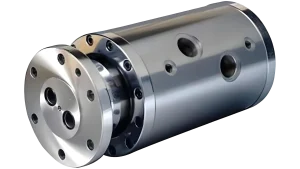
YH type hydraulic slip ring, commonly known as hydraulic rotary joint or swivel joint in the industrial field, is a precision mechanical device specifically designed to solve the problem of fluid medium transmission between rotating and fixed components
- Operating Temperature90℃
- work pressure500 bar
- maximum speed35 RPM
YH type hydraulic slip ring
YH type hydraulic slip ring, YH type hydraulic slip rings
The YH type hydraulic slip ring is a heavy-duty rotary sealing product designed to transfer hydraulic oil, coolant, and other pressurized fluids between stationary supply lines and continuously rotating equipment. Engineered for construction machinery, marine systems, wind turbines, mining equipment, and industrial automation, this slip ring combines high-strength steel construction, precision seals, and multi-channel architecture to maintain reliable operation under high pressure, high speed, dust, moisture, and temperature extremes.
This product page presents the complete structure, technical parameters, industry applications, and proven engineering solutions for the YH series. The information is based on decades of field experience in rotary fluid transfer and is intended to help engineers, buyers, and maintenance teams specify the right model for long-term reliability.
Product Overview
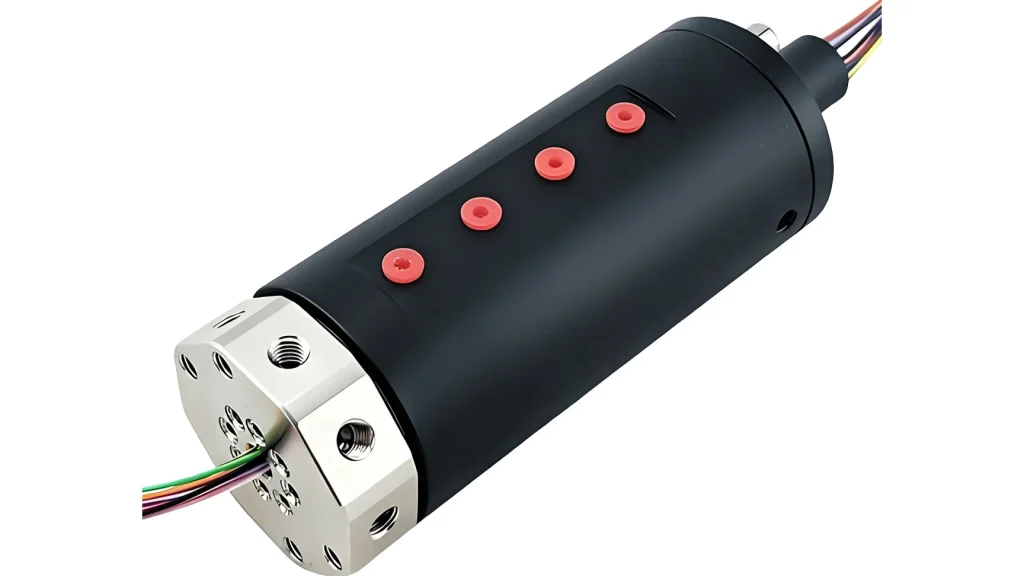
The YH type hydraulic slip ring is a mechanical rotary union specifically developed for hydraulic circuits. It transfers fluid from a stationary power unit into a rotating machine structure without twisting hoses or causing pressure loss. The product is available in single-channel and multi-channel configurations, allowing one or several independent hydraulic circuits to pass through the same rotating axis.
Typical working media include mineral-based hydraulic oil, water-glycol mixtures, phosphate ester fluids, and synthetic hydraulic fluids. Seal materials are selected to match the media, temperature, and pressure of each application. The compact design of this unit reduces hose clutter and simplifies machine layout while protecting the hydraulic system from leakage and contamination.
Product Structure and Main Components
1. Stationary Housing
The housing of the YH type hydraulic slip ring is the fixed outer body that connects to the hydraulic supply through threaded or flanged ports. It is machined from carbon steel, stainless steel, or brass depending on the environmental and corrosion requirements. Internal passages route fluid to the seal interface, while external mounting surfaces allow secure attachment to the machine frame.
2. Rotating Shaft / Rotor
The rotor of the YH type hydraulic slip ring is the inner rotating member that mounts directly to the machine’s turning structure. It contains axial or radial outlet ports aligned with the internal channels. Alloy steel construction with hardened surfaces resists scoring and deformation under high pressure and external load.
3. Dynamic Seal Assembly
The seal assembly is the heart of the YH type hydraulic slip ring. It uses mechanical face seals, spring-loaded seal packs, or engineered polymer seals depending on the duty. Seal materials such as NBR, FKM, PTFE, and bronze-filled PTFE are chosen for compatibility with the hydraulic fluid and operating temperature.
4. Bearings and Support System
Heavy-duty bearings support the rotor and absorb radial and axial loads caused by machine structure and connected piping. Bearing types include deep-groove ball bearings, angular-contact bearings, or plain bearings, selected to match speed and load requirements.
5. Channel Barriers and Spacers
In multi-channel designs, barriers separate the passages to prevent cross-leakage between circuits at different pressures. Precision spacers maintain correct axial positioning of seals and bearings, ensuring uniform face loading.
6. Corrosion Protection Finish
External surfaces receive rust-preventive coatings, plating, or paint systems suitable for marine, chemical, and washdown environments. Internal passages may be passivated or coated to resist oxidation from moisture in the hydraulic fluid.
Technical Features and Advantages
- High pressure capability: Rated for continuous operation up to 35 MPa, with higher pressure available as custom design.
- Multi-channel integration: Supports 1 to 12 independent hydraulic circuits in a single compact unit.
- Precision sealing: Lapped seal faces and balanced seal geometry minimize leakage and extend service life.
- Heavy-duty bearings: Handles radial and axial loads from machine structure and piping without excessive deflection.
- Wide temperature range: Standard seal compounds support -30°C to +120°C operating conditions.
- Corrosion resistance: Optional stainless steel housing and protective coatings for marine and chemical environments.
- Flexible connections: Threaded ports from G 1/4 to G 1 and custom flange options simplify integration.
YH Type Hydraulic Slip Ring Product Parameters
| Parameter | Specification Range | Notes |
|---|---|---|
| Number of Channels | 1 to 12 passages | Single-channel and multi-channel options |
| Rated Pressure | 0 to 35 MPa (custom higher) | Limited by seal type and housing size |
| Rated Speed | 0 to 500 rpm | Continuous and intermittent ratings differ |
| Operating Temperature | -30°C to +120°C | Seal material limits apply |
| Media Compatibility | Hydraulic oil, water-glycol, phosphate ester, synthetic fluid | Verify seal material compatibility |
| Connection Ports | G 1/4, G 3/8, G 1/2, G 1, flange | Custom thread and flange patterns available |
| Rotor Diameter | 20 mm to 300 mm | Matched to machine shaft or interface |
| Leakage Rate | Near zero under rated conditions | Depends on seal wear and alignment |
| Seal Materials | NBR, FKM, PTFE, bronze-filled PTFE, stainless steel | Selected for media and temperature |
| Housing Material | Carbon steel, stainless steel, brass | Corrosion-resistant options available |
| Bearing Type | Deep-groove ball, angular contact, plain bearing | Selected for load and speed |
| Protection Level | IP54 to IP65 | Higher sealing for harsh environments |
| Mounting | Flange or threaded, horizontal or vertical | Depends on machine layout |
| Weight Range | 0.5 kg to 150 kg | Varies with size and number of channels |
How It Works
The YH type hydraulic slip ring operates on the rotary union principle. A stationary seal face is pressed against a rotating seal face by springs or hydraulic pressure. The interface between the faces forms the dynamic seal. As the shaft rotates, hydraulic oil enters through the stationary ports, flows through internal passages, and exits through the rotating side into the machine.
The seal faces are lapped to very fine surface finishes so that microscopic gaps are minimized. A thin fluid film may form between the faces, providing lubrication while preventing excessive leakage. Balance ratio, spring force, and face material must be matched to the pressure and speed. If any parameter is mismatched, the seal will either leak excessively or wear prematurely. This is why selecting the correct model for the duty cycle is so important.
Industry Applications and Engineering Solutions
Construction Machinery
The YH type hydraulic slip ring serves excavators, cranes, rotary drilling rigs, and concrete pumps require hydraulic transfer between the fixed lower chassis and the rotating upper structure. The product transmits hydraulic oil to boom, arm, bucket, and winch circuits while eliminating long, twisting hose bundles. Rugged construction and dust sealing make it ideal for muddy, dusty job sites.
Marine and Offshore
For marine use, this product equips deck cranes, winches, davits, and platform machinery operate in corrosive salt-spray environments. Stainless steel or heavily coated housings, corrosion-resistant seals, and protected bearings maintain reliable hydraulic transfer during continuous slewing, reducing hose failure and improving safety.
Wind Energy
The YH type hydraulic slip ring supports blade pitch systems and yaw drives need hydraulic or hydraulic-electrical rotary interfaces. The compact multi-channel design fits within the limited nacelle space and supports the long maintenance intervals expected in wind energy applications.
Mining and Metallurgy
The YH type hydraulic slip ring withstands the demands of heavy crushers, mills, rotary kilns, and continuous miners use hydraulic systems for clamping, positioning, and material handling. The product withstands shock loads, dust, vibration, and temperature extremes, extending maintenance intervals in harsh industrial settings.
Industrial Automation and Machine Tools
The YH type hydraulic slip ring integrates with rotary indexing tables, turntables, and machine tool spindles often need hydraulic clamping or coolant delivery through a rotating axis. A compact unit provides the required fluid transfer without restricting motion. Low runout and consistent breakaway torque preserve positioning accuracy.
Selection Guide
Specify the right model by documenting the following operating conditions:
- Maximum working pressure and any pressure pulses or spikes.
- Maximum rotational speed and duty cycle (continuous or intermittent).
- Number of independent hydraulic circuits.
- Hydraulic fluid type, viscosity, and operating temperature range.
- Ambient environment including dust, moisture, chemicals, and salt spray.
- Available mounting space and shaft diameter.
- Allowable leakage rate and maintenance interval expectations.
With these inputs, engineers can select the appropriate seal material, bearing type, port size, and number of channels. For large pressure differences between circuits, stronger internal barriers are required, which may limit the number of passages. High-speed continuous duty calls for balanced mechanical seals and high-speed bearings. Low-speed indexing with frequent stops may use simpler seal packs for cost efficiency.
When standard catalog models do not fit the envelope, custom designs can be engineered with special shaft diameters, flange patterns, port orientations, and seal compounds. Custom engineering should include pressure and thermal analysis to ensure seal faces remain flat under load.
Installation and Maintenance Notes
Mount the stationary housing so that it does not carry the weight of connected pipes. Use flexible hoses or expansion loops near the joint to absorb vibration and thermal movement. Align the rotating shaft with the machine axis to minimize runout and bending moment. Apply thread sealant sparingly and prevent debris from entering the ports during connection.
Flush the hydraulic system before commissioning to remove particles that could scratch seal faces. Start with low pressure and low speed during initial run, then gradually increase to normal operating conditions while monitoring for leaks or abnormal temperature rise.
Routine maintenance includes visual inspection for external leakage, checking mounting bolt torque, and monitoring operating temperature. Unusual vibration or noise often indicates bearing wear or misalignment. When seal replacement becomes necessary, use the correct seal kit, clean all parts thoroughly, inspect seal faces, and lubricate seals with clean hydraulic fluid during installation.
Quality Assurance
Reliability of the YH type hydraulic slip ring is built through disciplined design, material control, precision machining, and testing. Quality assurance includes dimensional inspection of all critical surfaces, pressure testing to verify seal integrity, and rotational testing to confirm torque and temperature performance. Material certificates trace the steel and seal compounds back to their source.
A quality manufacturer provides clear maximum pressure, speed, and temperature limits based on testing rather than theoretical estimates. Buyers should request test reports, warranty terms, and documented service history before placing large orders.