Warning: Attempt to read property "post_title" on null in /www/wwwroot/cn.swiveles.com/wp-content/themes/twentytwentyone/single.php on line 177

Warning: Attempt to read property "post_title" on null in /www/wwwroot/cn.swiveles.com/wp-content/themes/twentytwentyone/single.php on line 219

Warning: Attempt to read property "post_title" on null in /www/wwwroot/cn.swiveles.com/wp-content/themes/twentytwentyone/single.php on line 219
Warning: Attempt to read property "post_title" on null in /www/wwwroot/cn.swiveles.com/wp-content/themes/twentytwentyone/single.php on line 219
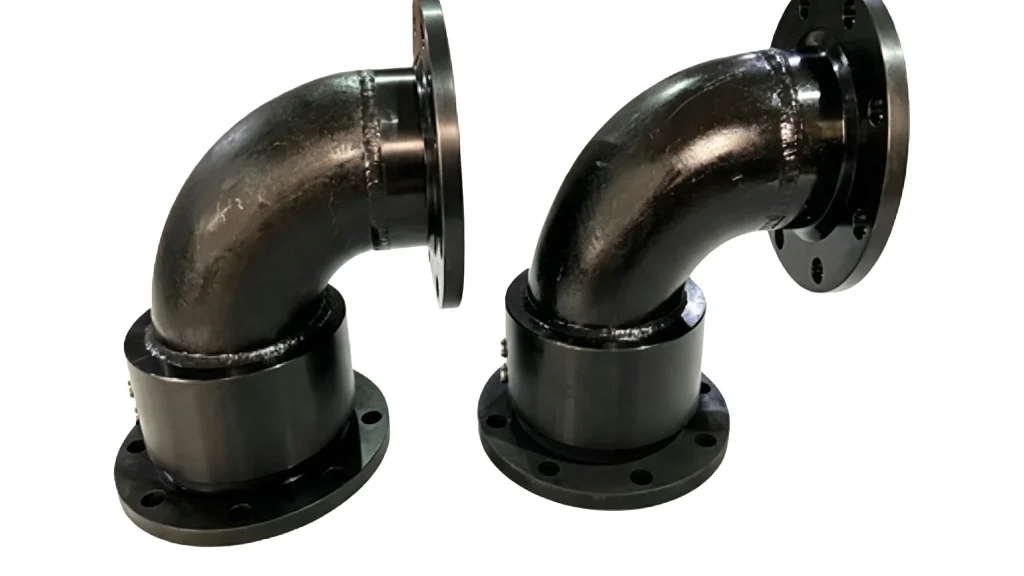
90 degree flange swivel union
A 90 degree flange elbow is a detachable metal pipe fitting with a flange connection structure at both ends, used for pipeline systems to achieve a 90 degree turn, with both flow direction change and convenient disassembly and assembly functions.
90 degree flange swivel union
90 degree flange swivel union, 90 degree flange swivel unions, 90 degree flange swivel joint, 90 degree flange rotary joint, 90 degree flange rotary joints, 90 degree flange rotary union
A 90 degree flange elbow is a detachable metal pipe fitting with a flange connection structure at both ends, used for pipeline systems to achieve a 90 degree turn, with both flow direction change and convenient disassembly and assembly functions.
Carbon steel 90 degree flange elbows are suitable for low and medium pressure pipeline systems without strong corrosive media. Typical application areas include:
Municipal engineering: water supply and drainage, heating, gas transmission pipelines
Petrochemical industry: pipelines for transporting crude oil, refined oil, and ordinary chemical media
Metallurgical power: blast furnace gas, cooling water circulation pipeline
Building HVAC: Central air conditioning, heating and hot water pipelines
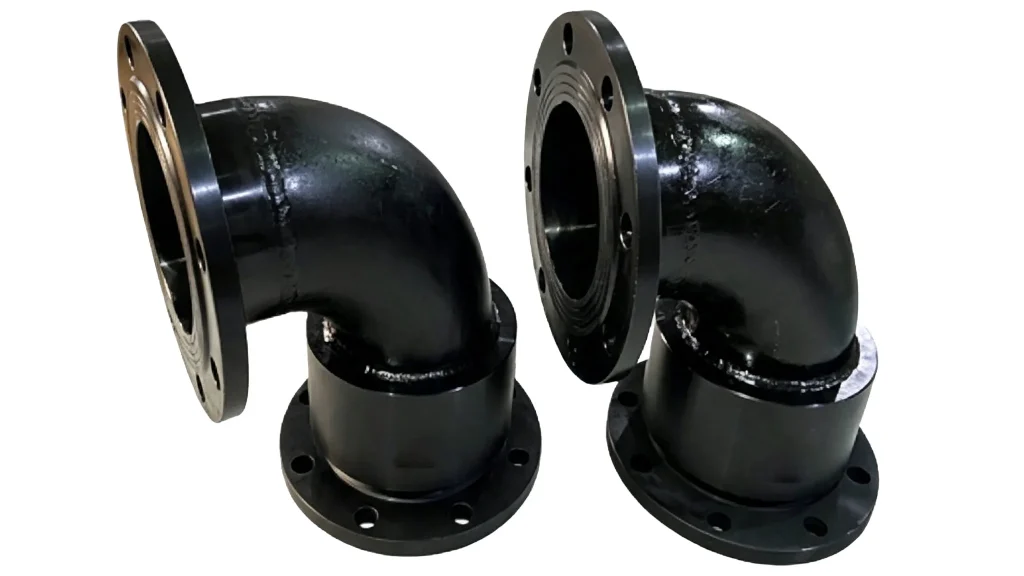
Have you ever wondered how massive chemical plants safely route dangerous liquids around tight corners without a disaster? The secret often lies in a surprisingly simple yet crucial component: the 90 degree flange elbow for chemical pipeline matching. These vital pipe fittings are essential for smoothly changing flow direction while keeping everything securely sealed under pressure. Whether you are a facility manager or just curious about industrial plumbing, let’s explore how to choose, install, and maintain the perfect elbow joint. Getting this right prevents costly downtime and ensures daily operations run smoothly.
Material Matters: Surviving Harsh Chemicals
Chemical plants process highly abrasive fluids that easily degrade weak materials. When dealing with aggressive substances, your 90 degree flange elbow needs serious armor. Selecting the right metal is half the battle.
- Stainless and beyond: Knowing the benefits of stainless steel 316L for acidic fluids can save your entire system from early corrosion failure. On the other hand, if you are actively weighing carbon steel versus duplex stainless steel elbows, remember that duplex offers superior strength and longevity.
- Extra protection: Never underestimate PTFE lined pipe fittings chemical resistance. Adding a thick Teflon lining provides an incredible barrier against highly corrosive environments.
Perfect Sizing and Fluid Flow
Understanding how to select right pipe elbow radius is critical for overall system efficiency. You will often need to carefully compare long radius vs short radius elbows for industrial use. Long radius elbows are significantly gentler on the fluid, which matters greatly when you are calculating fluid pressure drop in 90 degree bends.
Sharp turns can easily cause problematic issues like turbulent flow effects on elbow erosion, which slowly eats away at the inner metal. Scheduling regular checks for chemical pipeline elbow wear patterns and inspection will help you catch this degradation early.
To ensure everything connects properly on site, always consult an ASME B16.5 flange pressure ratings guide or a standard ANSI vs DIN flange dimension chart. Using these proper sizing standards completely eliminates the guesswork, securely matching pipe schedules with flange pressure classes.
